
Rehearsing with Care: Best Practices for Consent-Based Rehearsal Culture
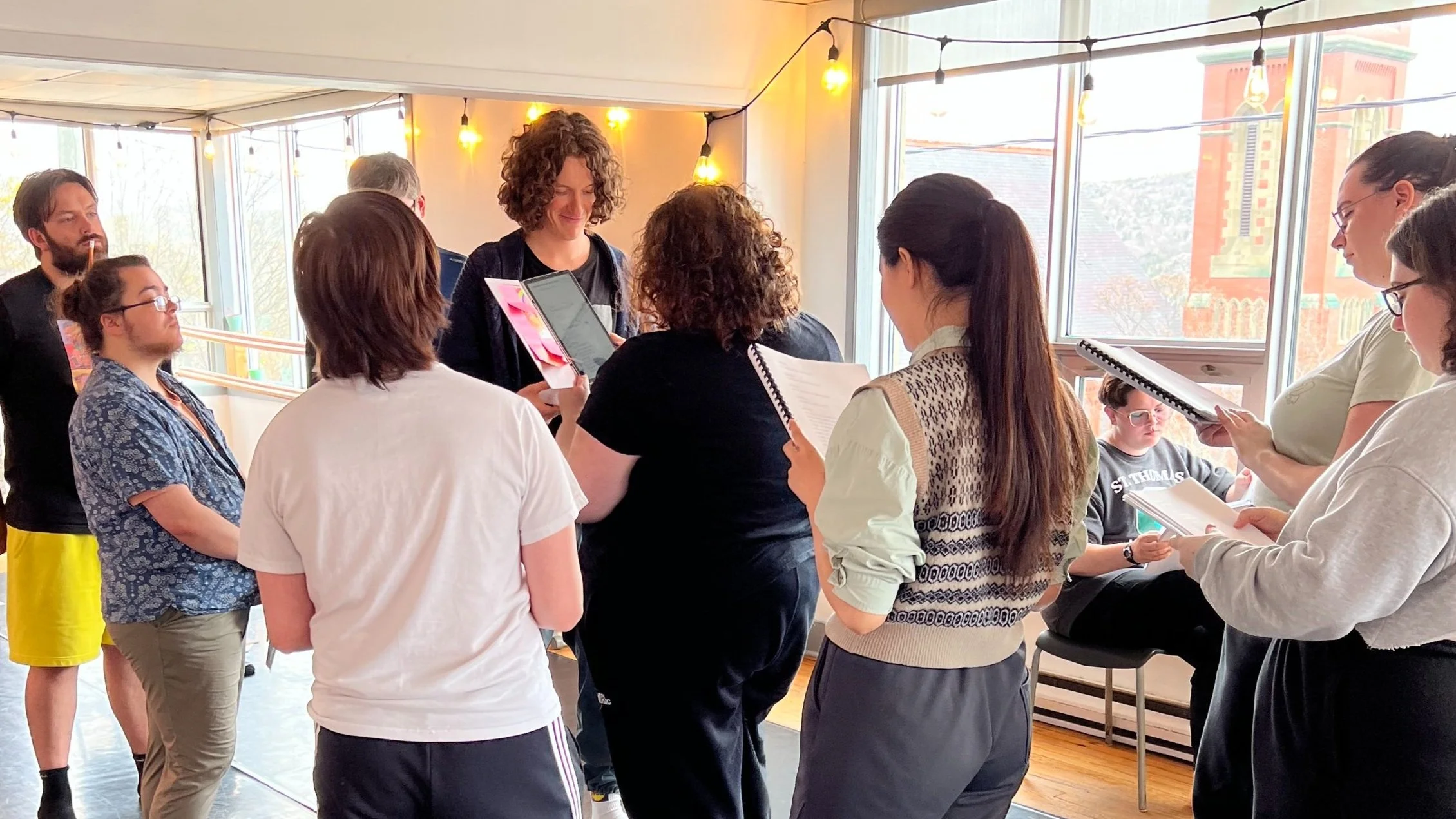
Rehearsing with Care: Best Practices for Consent-Based Rehearsal Culture was originally presented as part of a professional development session with Shakespeare by the Sea in partnership with Untellable Movement Theatre.
In the spirit of building safer, braver spaces, I’m sharing the best practices I offered during a recent workshop called “Rehearsing with Care.” These tools support physical and emotional well-being and emphasize consent-based process.
This isn’t just for intimacy scenes or high-stakes choreography. This is for anyone who walks into a rehearsal room with another human being.
Physical Contact & Blocking
Never move another actor’s body. Even with good intentions, physically adjusting someone undermines their autonomy. If someone forgets blocking, resist the urge to place them back into position.
Ask before touching. Even if it’s been rehearsed before. Even if it’s written in the script. Consent is specific, situational, and revocable.
Model alternatives. Directors and choreographers should use verbal prompts or neutral stand-ins instead of hands-on adjustments.
Emotional Safety & Character Work
Tag in / tag out. Especially useful for emotionally charged or intimate scenes. You can use breath, gesture, or verbal cues to enter and exit character as a way of creating intentional containers around performance.
Connect ahead of time. If you’re in a scene that involves intimacy, confrontation, or vulnerability, take a moment to check in with your scene partner. A simple “You good?” goes a long way.
Build a closing ritual. After difficult scenes, do something physical or verbal to help yourself transition out. One actor I know used to pack their character’s costume into a suitcase at the end of every show, literally putting the role to bed.
Leave the scene in the space. Avoid casual post-rehearsal debriefs of intense moments unless everyone involved has explicitly opted in.
Environmental Practices for Consent Culture
“Pause” is for everyone. Normalize saying “pause” in the rehearsal room, no explanation required. Acknowledge with “Thank you for pausing.” A resource that I return to again and again is the article about the connection between urgency and white supremacy. Read more here.
Make opt-outs normal. Anyone can pass on an exercise or choose a different way to participate.
Hold space, don’t demand it. If something emotional comes up, respect people’s privacy. No one owes the group a disclosure.
Build a room where autonomy isn’t a surprise. It should be expected that people have a say in what happens to their bodies and emotions.
For Directors, Stage Managers, and Facilitators
Check in privately. After emotionally charged scenes or new blocking, follow up with actors individually.
Clarify who’s in the room. This is especially important when rehearsing vulnerable material or early versions of scenes.
Encourage creative alternatives. If an actor voices discomfort, collaborate on a new version of the moment. There’s always another way.
Separate actor from character. Use action-based feedback. Instead of “Be more aggressive,” try “Can you make that gesture sharper?”
Consent is not the enemy of art. It’s the foundation of it.
The stronger the container, the more honest the work.